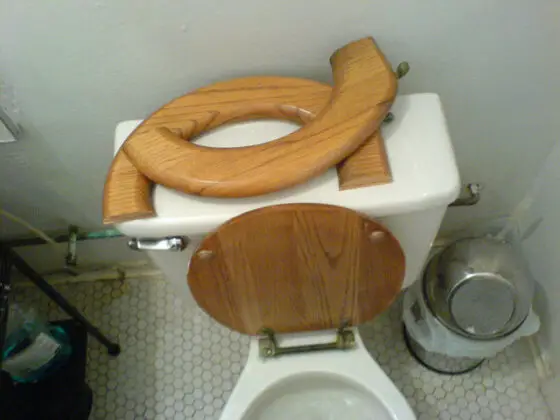
Who knew I could spend nearly an hour in the Home Depot just examining toilet seats?!
Better yet, who knew I could write a 1,000-word article detailing the intricacies of toilet seats???
Hold onto your fuzzy toilet seat cover, people… here we go!
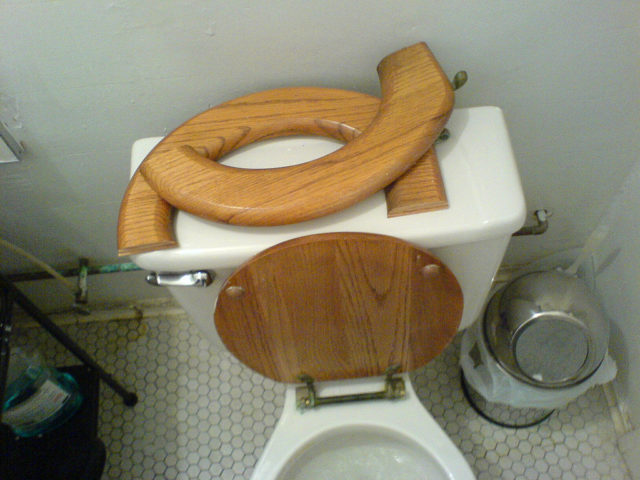
Ode To A Commode
In preparation for our move (which is still many months away), we decided to replace our old toilet seats and lids with new ones. Three in all.
We’re hoping that they’ll last long enough to still look good when it comes time to sell this house in a year or so. Besides, we think that our guests deserve a nicer palette upon which to rest their tushies when they visit.
So the search was on for the best toilet seat!
First, Some Basic Information About Toilet Seats
How long does a typical toilet seat last, anyway?
I couldn’t find any facts or figures online about this (see below). In our case, 5-1/2 years seems to be the going rate. The toilet in the powder room bathroom doesn’t even get used much, and that one is just as bad as the other 2 that get frequent use.
We finally got tired of looking at these old eyesores which were lopsided, faded, and stained from various cleaning products. (Why do they make toilet cleansers blue anyway?! More on that later…)
For the record, our current toilet seats are made by Church. They’re supposed to be good ones — I think. But I’m willing to try a different brand at this point.
What’s A Girl Gotta Do?…
What’s a girl gotta do to get some good, honest feedback about toilet seats these days?
You know me… I’ll research with the best of ’em online. Only problem is, there’s really nothing online — as far as tips for choosing the best toilet seat.
Oh, there are a million and one articles about why to replace a toilet seat and how to replace a toilet seat. But that’s the least of my worries at this point. It looks pretty easy to me… so long as you can handle a screwdriver alright.
I know… most would say that choosing a seat for your toilet is just a matter of personal taste and opinion. But still, I’d like to read about others’ opinions some before I go out and “try on” toilet seats! I mean, who wants to be known as the person who kept returning toilet seats? (We live in a small town.)
All About Toilet Seats
So, here’s what I’ve learned firsthand about toilet seats…
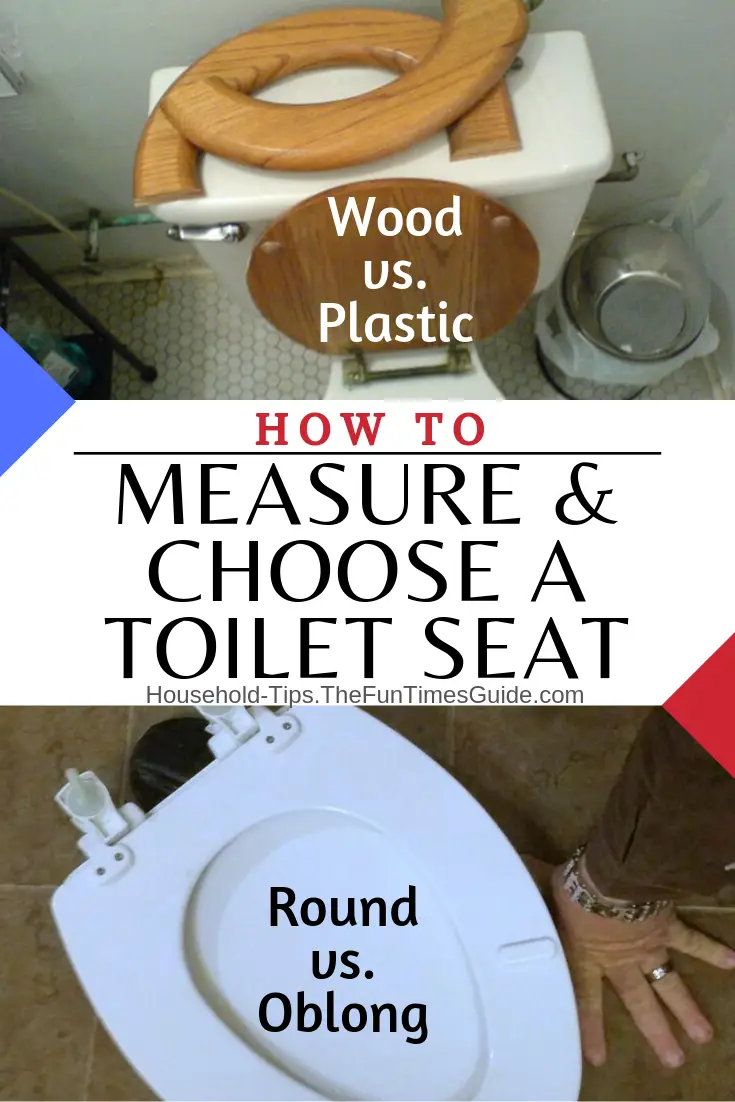
Toilet Seat Sizes: Round vs. Oblong
There are really only 2 sizes you need to concern yourself with: “round” or “oblong” (or “elongated”).
Generally, it is easy to tell just by looking whether you have a round or oblong shaped toilet. If you prefer to measure (just to be sure), then measure from the front of the bowl to the middle of the screws at the back of the bowl/lid area.
Here are the standard toilet bowl sizes:
- Round Toilet Bowl: 16.5 inches
- Oblong Toilet Bowl: 18.5 inches
(We definitely prefer an elongated toilet seat!)
What does vary is the width of the bowl from side to side. But it’s usually not enough to worry about, as most standard size toilet seats and lids will cover most toilet bowls — even if they’re slightly narrower or wider than the next one.
Wondering how to measure a toilet seat?…
PlumbingSupply.com has a good slideshow that walks you through each of the areas that should be measured.
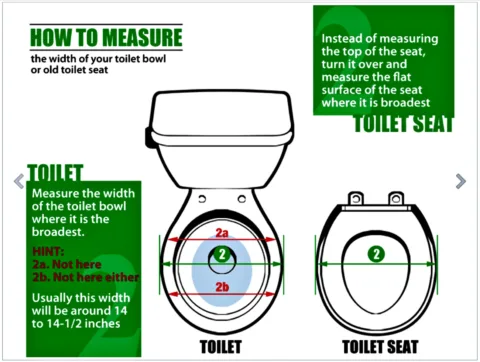
Here’s what you need to know about wide toilet seats.
Wood Toilet Seats vs. Plastic Toilet Seats
We’ve always had wood ones in the homes we’ve rented, bought, or built. Not for any reason in particular, other than that’s what the home already had or the builder recommended.
But I’ve become so frustrated with all of the stains from using various cleaning products on our 3 wood toilet seats that I was open to trying a plastic toilet seat this time.
I figured there might be an all-new modern and high-quality plastic seat that would be “all the rage” these days.
But if there is, I couldn’t find it — online or in stores.
Which Toilet Seat Did We Choose?
So after a fair amount of research on toilet seats, we ended up with this one: the Bemis easy clean toilet seat. (Personally, most of the toilet seats on the market appear to have similar features, so I’m not sure this one is so special after all. But it works fine for us.)
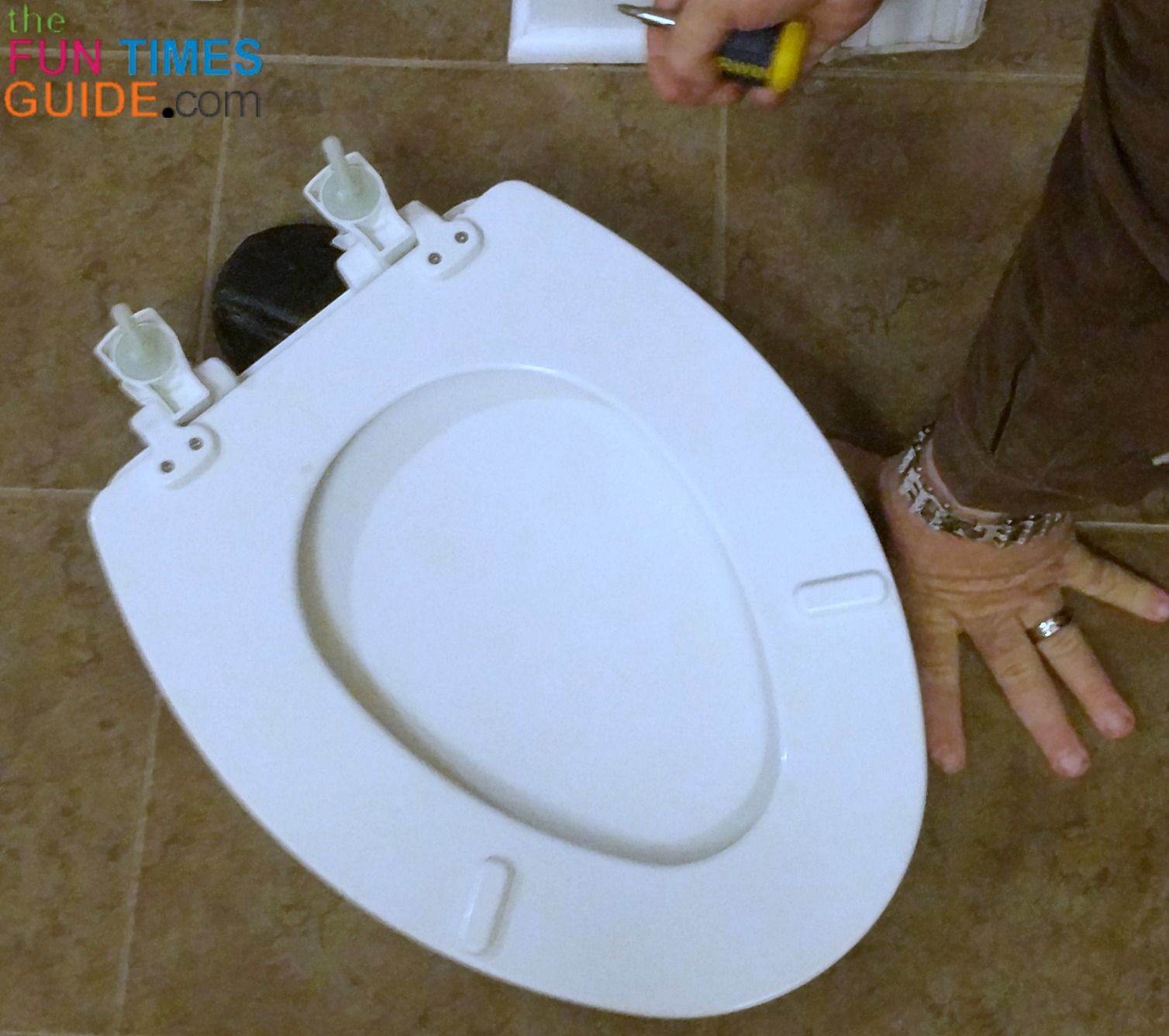
A few thoughts on wood vs. plastic toilet seats:
- As a rule, wood toilet seats are slightly more expensive than plastic toilet seats.
- Generally speaking, wood seats are also thicker, warmer to sit on, sturdier, and more durable than plastic ones.
- Plastic seats may have some “additional features” built in (like an automatic slow-closing lid) — but lots of wood seats have this feature nowadays, as well.
- Plastic lids are likely to show minor scratches — even from soft sponges used when cleaning.
- Plastic toilet seats and lids are more likely to crack.
Other than that, I can’t think of anything else that affected our choice of toilet seats.
Well, maybe metal hinges vs. plastic hinges…
But if a toilet seat is only going to last 5 years, I think the plastic (less expensive) hinges do the job just as well. Others might prefer the “look” of the metal toilet seat hinges though.
I’d be interested in hearing from others if there are features that I should have looked for. Or, if there are any new & improved models that might be worth considering!
How Long Will It Last?…
I did find that toilets themselves will typically last a lifetime, while the faucets and fixtures on toilets last around 10 years. Not sure whether that includes the seat or not (I doubt it). But as stated above, our toilet seats typically last around 5-1/2 years on average.
Okay, so who knew there were so many different colors available? Check out this Cross Reference Chart for Toilet Seat Colors!
Like this post? Save it to read again later… or share with others on Pinterest!

I like to help people find unique ways to do things that will save time & money — so I write about “outside the box” Household Tips and Life Hacks that most wouldn’t think of. I’m super-organized. And I LOVE to clean! I even enjoy doing laundry (but not ironing). I’m also a lifelong dog owner — so I often share my favorite tips for living with dogs inside your home (like smart home design choices and dog-friendly cleaning & decorating ideas). Career-wise, I’ve been sharing my best ideas with others by blogging full-time since 1998 (the same year that Google started… and before the days of Facebook and YouTube). Prior to that, I worked in Higher Ed over 10 years before switching gears to pursue activities that I’m truly passionate about instead. For example, I’ve worked at a vet, in a photo lab, and at a zoo — to name a few. I enjoy the outdoors via bicycle, motorcycle, Jeep, or RV. When I’m not cleaning, organizing, decorating, or fixing something… you’ll find me at the corner of Good News & Fun Times as publisher of The Fun Times Guide (32 fun & helpful websites). To date, I’ve personally written over 200 articles about cleaning, organization, DIY repairs, and household hacks on this site! A few have over 2M shares; many others have over 100K shares.